

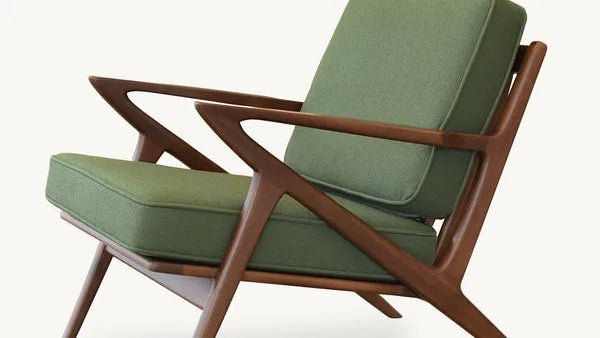

Buying furniture online can make the most important questions feel challenging. What is the piece actually made from? Who designed it? How was it built? And when a brand sells directly to you, how does that impact the guidance and accountability that make a significant furniture purchase feel worthwhile? Gingko Furniture was built around the proposition: direct-to-consumer furniture should make the path from design and construction to your home esier to navigate, not less.
Explore Gingko's living room furniture to see solid walnut, practical proportions, and mid-century modern design in the collection.
Gingko is a premium, online-first furniture company for people who want more than a quick fix. The collection brings together solid walnut, traditional woodworking, upholstery, and clean-lined forms influenced by mid-century modern, Scandinavian, modern, and Japandi design. This guide explains what the brand's materials and craft mean in everyday use, how the direct model works, and what to look for when deciding whether a piece belongs in your home.
Gingko Furniture combines solid walnut construction, traditional joinery, California-led design, and a direct online relationship with shoppers. The result is a curated alternative to disposable furniture: pieces designed for lasting use, with the material, proportions, and construction treated as part of the design rather than hidden details.
The simplest way to understand Gingko is to look at the decisions that repeat across the collection. The brand does not start with a low price and add a wood look afterward. It starts with the role a piece needs to play in a modern home, then considers the material, structure, scale, and finish together.
Those choices are connected. Solid wood is most convincing when the design lets the grain show. Traditional joinery is most useful when the piece is intended to be used for years. And an online-first model is most trustworthy when the product information helps you evaluate the furniture instead of asking you to rely on a showroom impression alone.
Gingko uses solid walnut because it brings structural substance and natural character to furniture while remaining compatible with the clean, warm look of mid-century modern design. Unlike a printed wood appearance, solid walnut has genuine grain variation, can develop a deeper patina, and makes each piece visually distinct.
Walnut is not chosen only for its color. Its appeal comes from the combination of appearance, workability, and the way it changes with time. Natural walnut grain can vary from piece to piece, which means a finished table, chair, or cabinet will not look like a mass-produced image repeated across every home. That variation is part of the material's identity.
In a room, walnut also does useful visual work. Its warm brown tones can anchor lighter upholstery, soften a neutral palette, or provide contrast against painted walls. Because the color has depth without demanding ornate detailing, it works naturally with Gingko's restrained forms. A walnut frame can be the detail that makes a chair feel substantial while the overall silhouette remains light.
Solid walnut should still be evaluated responsibly. Wood is a natural material, not a perfectly uniform surface. Grain direction, tone, and small variations are expected. Finish, care, and exposure to sunlight also affect how the piece looks over time. For a deeper explanation of how to assess solid walnut, joinery, finish, and long-term value, read Gingko's solid walnut furniture buyer's guide.
A useful buyer's question is not simply, "Is walnut dark?" It is, "Will I enjoy living with this material as it develops its own character?" If the answer is yes, solid walnut can make a piece feel more personal and less replaceable.
Traditional joinery connects furniture components through shaped wood relationships rather than treating fasteners as the entire structure. Mortise-and-tenon and dovetail joints can help distribute force through the piece, while also making the construction easier to understand when you inspect the details.
Joinery is the part of furniture construction that explains how a piece holds together. A mortise-and-tenon joint places one shaped component into a corresponding opening in another. A dovetail joint uses interlocking angled shapes, often in drawers or cases. Each technique has a long history because it uses the properties of wood thoughtfully.
That does not mean every traditional joint is automatically better than every modern connection, or that hardware has no place in a well-built piece. Quality depends on the entire design: the dimensions of the components, the accuracy of the fit, the wood, the finish, and how the furniture is expected to be used. The meaningful difference is that joinery gives a buyer something concrete to evaluate beyond a style label.
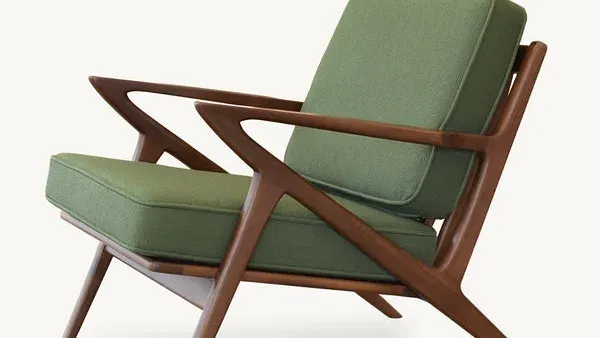
Gingko product pages identify traditional joinery on select pieces. On the Zach mid-century lounge chair, for example, the product details specify 26 mortise-and-tenon joints. That kind of detail helps turn a broad promise about craftsmanship into a feature you can investigate. You can review the chair's construction and upholstery options on the Zach mid-century lounge chair product page.
When comparing furniture, look for answers to four practical questions:
A well-made piece does not need to look heavy or old-fashioned. Gingko's approach pairs traditional construction with simplified silhouettes, so the structure supports modern living without becoming visual clutter.
For Gingko, designed in California, built in Asia describes a recipe for success: California-led design is closest to our customers and shapes the look, scale, and intended use, while skilled woodworkers in China build the furniture in our company-owned and operated woodworking facility. The phrase does not mean American-made. It describes a cross-cultural design and production model with quality standards that must be evaluated in the finished piece.
Gingko's California design perspective reflects the qualities associated with its home region: indoor and outdoor connection, relaxed proportions, practical scale, and a willingness to combine influences. The collection also draws from mid-century modern, Scandinavian, modern, Japandi, and Asian design traditions. That mix is visible in the balance between simple forms and carefully considered wood details.
Manufacturing in Asia is part of the model, not a fact to hide. Because Ginkgo demands quality at every stage, over twenty years ago it built out a solid wood manufacturing facility that is the sole source of our walnut collection. Gingko works exclusively with skilled carpenters to build the collection at a level that supports a premium material and construction approach without positioning the brand as American-made. Transparency matters here: the right expectation is not a vague promise about origin, but a clear explanation of who designs the piece, how it is constructed, and what the product page actually says.
Country-of-origin language can be confusing because a location does not, by itself, tell you whether furniture is well made. A design can be thoughtful or careless anywhere. A factory can build to a high standard or a low one anywhere. The useful question is how the brand manages the relationship between design intent, materials, construction, and production.
| Question to ask | What a useful answer should clarify |
|---|---|
| Where was it designed? | The design point of view, intended scale, and aesthetic decisions. |
| Where was it built? | The manufacturing location and the production model, without implying a different origin. |
| What is it made from? | Specific materials for the frame, surface, upholstery, and hardware. |
| How is it assembled? | Joinery or other structural methods that explain how the piece is made to function. |
That level of clarity is more useful than treating "made in" as a shortcut for quality. A thoughtful buyer can appreciate California design and Asian craftsmanship at the same time, while still asking specific questions about the product in front of them.
Direct-to-consumer furniture means the brand sells through its own online storefront instead of placing every product through a separate retail intermediary. Gingko can present its collection, product information, and customer relationship directly, which creates more control over the buying experience and can reduce some traditional retail layers.
In a conventional furniture path, a design may move through several organizations before reaching a home. A manufacturer builds it, a wholesaler may distribute it, and a retailer presents it in a store or catalog. Every layer has a role, but each can also add cost, distance, and another handoff in the customer relationship.
A DTC model brings more of those responsibilities back to the brand and is a natural extension of Gingko's roots. After 25 years of operating branded brick and mortar retail stores in California and Oregon, Gingko is well-versed in the needs and expectations of homeowners who they have worked with face to face. Now transitioning to the DTC model, Gingko manages its own storefront and communicates directly with shoppers nationwide. That does not make delivering quality furniture across the nation and easy task. A sofa still has to be designed, built, inspected, packaged, delivered, and supported. The difference is that the brand can connect the product story and the customer experience more directly.
For shoppers, the benefits are practical:
The model also creates responsibilities for the shopper. You should read the specifications, measure your room, confirm current delivery and return information, and use the brand's support channels before ordering when something matters to your decision. Direct does not mean "buy without questions." It means the questions can go to the source.
Browse Gingko's mid-century modern arm chairs when you want to compare real silhouettes, materials, and upholstery options rather than choosing from a stock style label.
Buying direct does not have to mean buying alone. A strong DTC furniture experience replaces some traditional showroom functions with clear product pages, useful dimensions, material information, responsive guidance, and policies you can review before purchase. The standard is not fewer touchpoints; it is more relevant and transparent touchpoints.
Furniture is a high-consideration purchase. A photograph cannot tell you everything about scale, texture, comfort, or how a walnut tone will work in your room. That is why the online experience should help you move from inspiration to evaluation. Product photos should show the form from useful angles. Specifications should make measurement possible. Material descriptions should distinguish what is verified for the specific piece from what is a general brand promise.
Gingko's curated approach helps reduce one common online problem: having too many nearly identical options and no clear reason to choose among them. The collection is organized around recognizable categories and design influences, including living room furniture, seating, tables, and storage. You can start with the storage collection for pieces that combine display and organization, or review the coffee table collection when the center of the living room needs a functional anchor.
Service also means knowing where the limits are. Delivery timelines, shipping charges, availability, warranty terms, and return terms can change. A responsible furniture brand should direct shoppers to current policy information rather than burying an old promise in a blog post. Gingko's product pages and current checkout experience are the right places to confirm details before you buy.
The most useful online service is often quiet and specific: helping you decide whether the piece is the right size, whether the materials fit your expectations, and whether the design will still feel right after the room's current trend has passed.
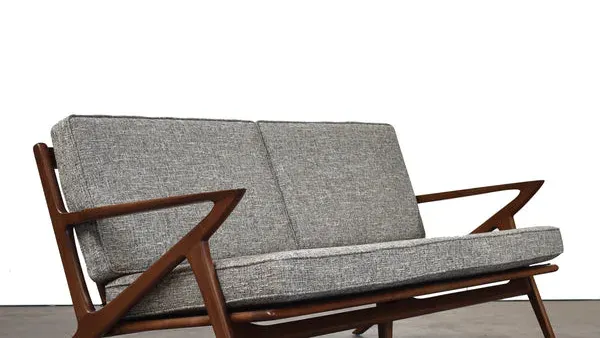
Evaluate premium furniture by looking at the complete value, not just the price on the page. Compare the material, construction, design lifespan, dimensions, comfort, delivery experience, and support. A higher-quality piece earns its place when those details work together for the way you actually live.
Price is an important part of any purchase, but it is a poor quality test on its own. Two pieces can look similar in a thumbnail while differing in wood construction, joinery, upholstery, proportions, and expected use. A lower price may be the right choice for a temporary need. A more substantial piece may be the better choice when you want a living room to feel settled for years.
Use this checklist before you order:
For example, someone shopping for an accent chair might compare the chair's footprint and seat height with the available corner, inspect the walnut frame and upholstery options, and then consider whether the silhouette works with the rest of the room. Someone shopping for a sofa should also plan the path through the home and think about how the fabric will perform in daily use. The best decision is specific to the piece and the household.
Design longevity matters because furniture occupies a room for much longer than a trend cycle. Gingko's mid-century modern and contemporary forms use clean lines, natural walnut, and functional proportions to stay adaptable as a home changes, so the furniture can support new rugs, art, colors, and layouts over time.
Timeless does not mean bland, and it does not mean frozen in the past. It means the design has enough clarity to remain useful when the surrounding room changes. A chair can move from a reading corner to a conversation area. A coffee table can work with one sofa today and a different layout later. A storage piece can make room for changing collections, technology, or family routines.
Gingko's design philosophy is grounded in simplicity, natural material expression, human-scaled proportions, and functional beauty. These ideas are especially relevant to modern homes, where rooms often need to do more than one job. A smaller footprint, a visually light silhouette, or storage that does not dominate the wall can make a piece easier to keep and live with.
That is also why material and design should be considered together. Walnut brings warmth, while clean lines keep the piece from feeling overly formal. Traditional joinery adds structural interest, while simplified shapes keep the room calm. The goal is not to make every detail compete for attention. It is to make the details reward attention when you look closely.
Buy from Gingko Furniture when you want premium direct-to-consumer furniture with a clear point of view: solid walnut, traditional craftsmanship, modern proportions, and design guidance rooted in long-term use. Gingko's online-first model gives shoppers nationwide access while keeping the brand's materials and construction story close to the purchase.
The reasons are cumulative rather than dependent on one slogan:
Gingko is not the right answer for every furniture need. If your priority is the lowest possible upfront cost, a different material or business model may be a better fit. If your priority is a piece with genuine walnut character, thoughtful construction, and a design language intended to remain relevant, Gingko offers a more focused alternative.
Ready to compare pieces? Shop Gingko's living collection, then open the product pages that fit your room and verify the current specifications before you decide.
Yes. Gingko Furniture operates an online-first, direct-to-consumer storefront that serves shoppers nationwide. The model lets Gingko present its own collection and communicate directly with customers rather than depending entirely on a conventional retail chain.
Gingko describes its model as designed in California, built in Asia. The value of the model is in the design direction, material choices, manufacturing relationships, and finished construction, which shoppers can evaluate on each product page.
Gingko specializes in solid walnut furniture. Product-specific details can vary, so review the page for the exact piece you are considering and use the solid walnut buyer's guide for broader guidance on grain, finish, joinery, care, and long-term value.
Gingko product information references traditional joinery, including mortise-and-tenon and dovetail construction where specified. The exact details depend on the product. Look for the construction information on the individual product page rather than assuming every piece has the same structure.
Start with the room, measure the available space and delivery path, then compare the product's dimensions, materials, upholstery, and intended use. If a detail matters to your decision and is not clear on the live product page, contact Gingko before ordering so the current information can guide your choice.
Yes. Gingko's living collection includes pieces such as lounge chairs, sofas, tables, and storage with mid-century modern and contemporary influences. Browse the current living and seating collections to see which products, materials, and options are available now.